
How to Protect Artwork from Sunlight and UV Damage
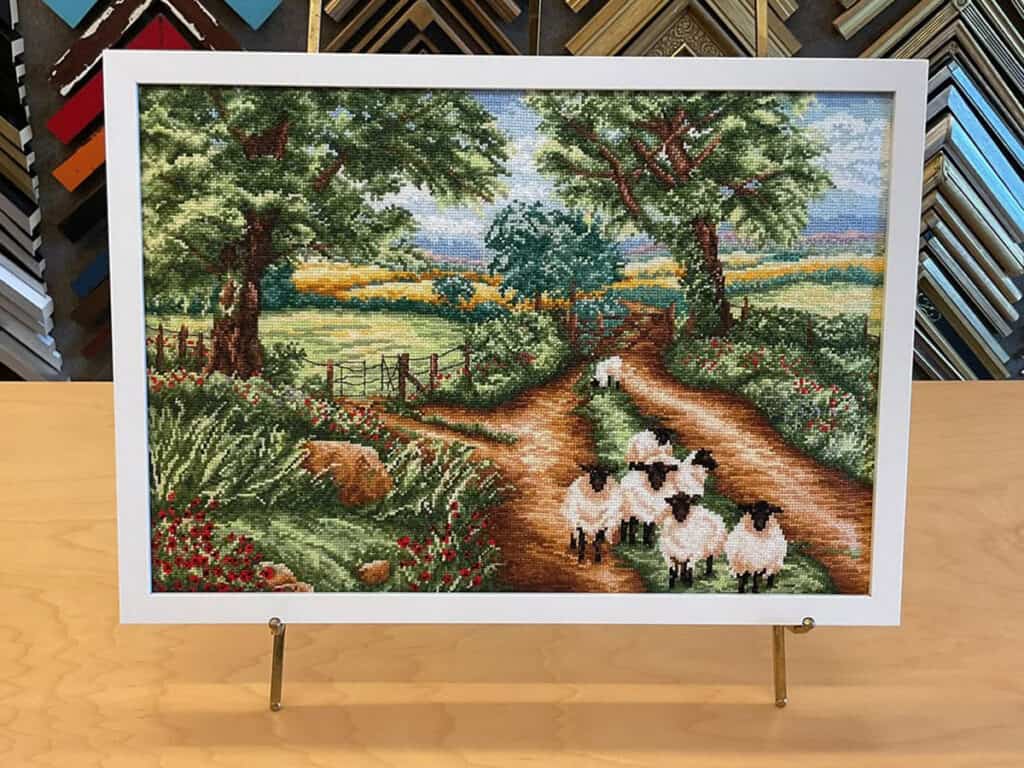
San Francisco summers have a reputation for fog, cool mornings, and softly filtered light. It may not always feel like summer in the traditional sense, but that does not mean artwork is protected from sun exposure. UV rays can still pass through fog and cloud cover, and over time, that light can affect framed art, photographs, textiles, documents, and other meaningful pieces displayed in the home. It’s important to take care and protect artwork from sunlight and UV damage.
At Capricorn Framing, preservation is always part of the conversation. A beautiful frame should enhance the artwork, but it should also help protect it. Sunlight, heat, humidity, and the wrong glazing can all contribute to changes that are difficult, and sometimes impossible, to reverse.
Why Summer Light Matters, Even in Foggy San Francisco
Many people think of sun damage as something that happens only in bright, direct sunlight. In reality, indirect light can also contribute to fading and discoloration over time. A room does not have to feel hot or intensely sunny for artwork to be exposed to UV rays.
This is especially important in San Francisco, where summer light can be deceptive. A foggy day may feel cool and gray, but UV exposure can still reach the artwork hanging near windows, skylights, glass doors, and bright rooms. West-facing and south-facing walls, bay windows, and rooms with large expanses of glass can be especially hard on framed pieces.
The effect is gradual. You may not notice the change from one week to the next, but pigments can fade, paper can yellow, mats can discolor, and delicate materials can become brittle. Works on paper, watercolors, vintage photographs, textiles, certificates, posters, and sentimental keepsakes are especially vulnerable.
What UV Damage Can Do to Artwork
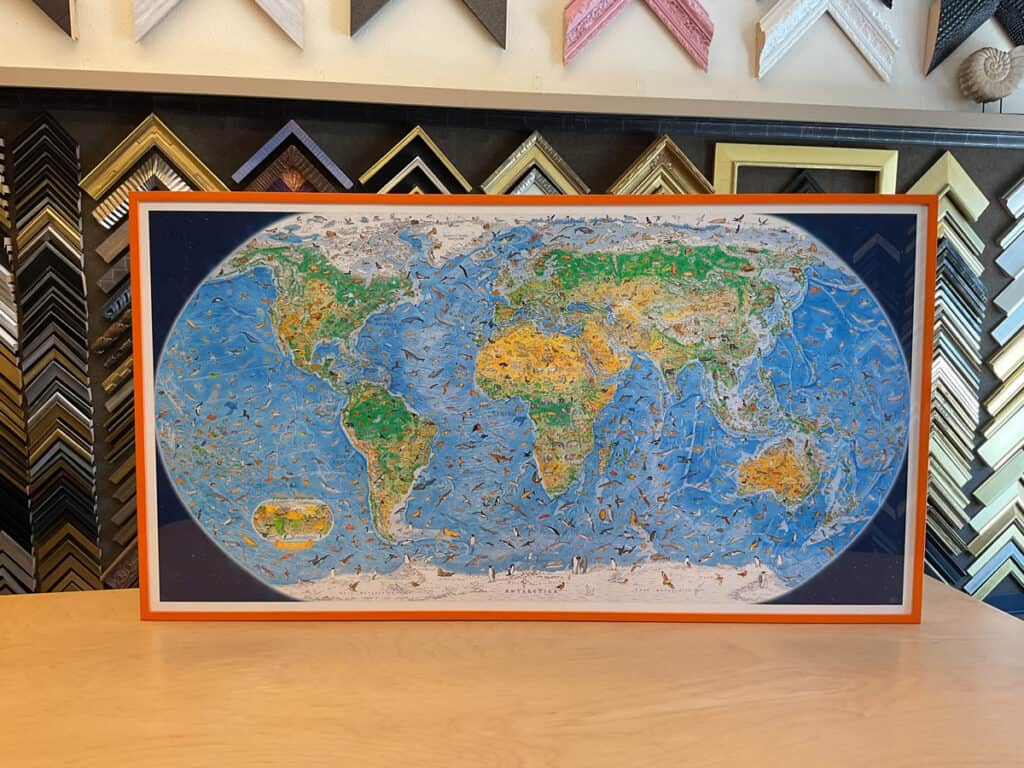
UV damage is one of the most common preservation concerns we discuss with clients. It can affect both the appearance and the structure of a piece.
Fading is often the most obvious sign. Bright colors may become muted, photographs may lose contrast, and printed materials may look washed out. Paper can also darken or become unevenly discolored, especially when older or acidic materials are involved. In some cases, exposure to light and heat can weaken the fibers in paper or fabric, making the piece more fragile over time.
Once these changes occur, they are often permanent. That is why our team looks at prevention as part of the framing design, not as an afterthought.
The Importance of the Right Glazing
In custom framing, glazing refers to the glass or acrylic that protects the front of the artwork. It is one of the most important parts of a preservation-focused framing package.
Not all glazing offers the same level of protection. Basic glass may provide a physical barrier, but only provides about 65% of the UV filtering needed for artwork displayed in bright rooms. This is why we only use glass and acrylic products with a 99% UV filter.
One of our primary vendors for glazing is Tru Vue, a trusted name in high-performance glass and acrylic products for custom framing. Their Museum Glass® is a strong choice for many projects because it offers excellent clarity, low-reflection qualities, and up to 99% UV protection. It allows the artwork to remain the focus while adding a meaningful layer of protection.
The anti-reflective quality is also important. In a bright room, reflections can interfere with the viewing experience. Museum Glass® helps reduce glare so colors, details, and textures are easier to see, while still helping protect the piece from UV exposure.
When Acrylic May Be the Better Choice
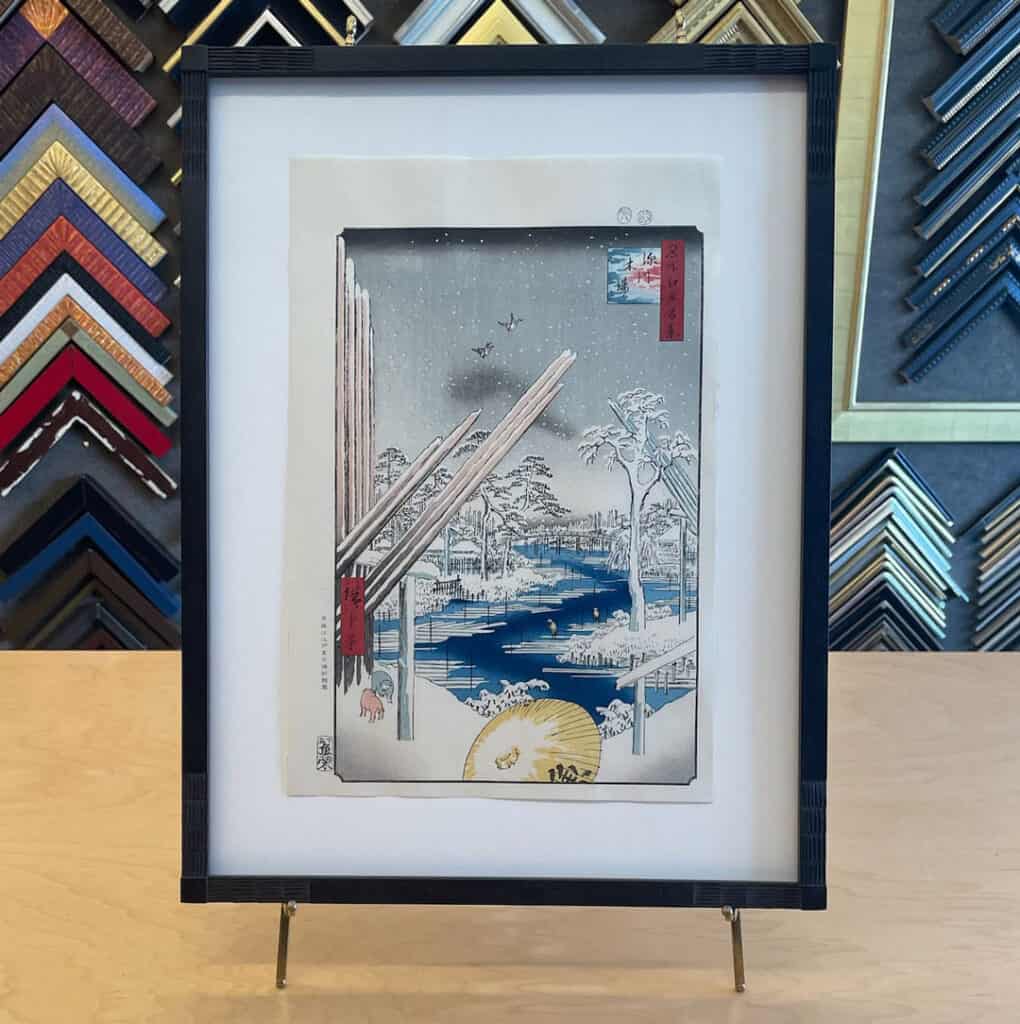
Glass is not the only option. For larger pieces, high-traffic spaces, children’s rooms, or areas where safety and weight are concerns, acrylic glazing may be a better fit. UV-filtering acrylic offers strong protection with less weight than glass (about 30% less), as well as being shatter-resistant. This makes it useful for oversized frames or pieces that require added durability.
This can be especially helpful for large works on paper, framed textiles, shadowboxes, or pieces installed in public spaces. Our team considers the size of the artwork, where it will hang, how it will be handled, and the level of protection needed before recommending glass or acrylic.
Placement Still Matters
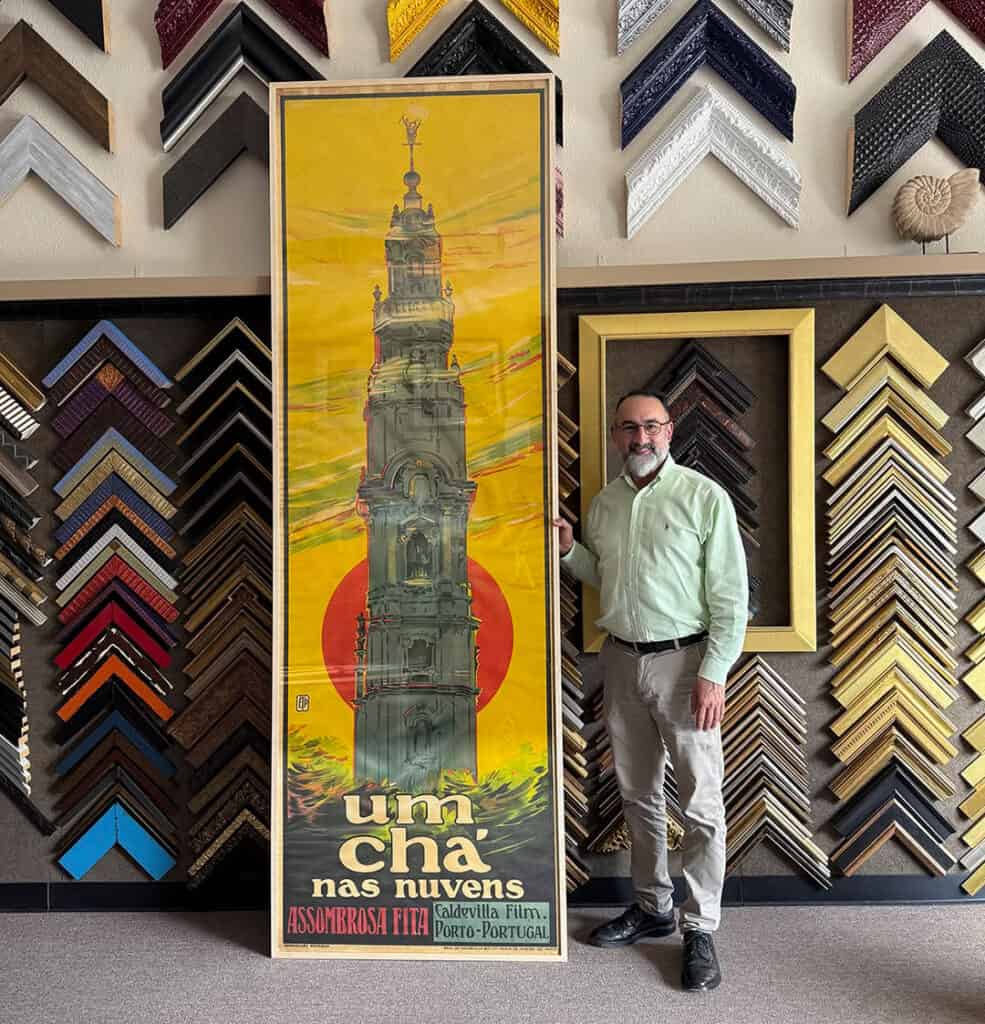
Protective glazing is an important tool, but placement also plays a role. We generally recommend keeping valuable or delicate artwork out of direct sunlight whenever possible. Even with UV protection, limiting exposure is a smart preservation habit.
Consider placing sensitive pieces on walls that don’t receive direct light. Window treatments, UV-filtering window film, and thoughtful art rotation can also help reduce long-term exposure. If you have a piece hanging in a bright room and are unsure whether it is properly protected, it may be worth having the framing package evaluated.
A Conservation Framing Approach to Summer Display
Summer is a natural time to refresh interiors, rearrange artwork, or finally frame pieces that have been waiting for the right place. It is also a good time to think about how light moves through your home.
At Capricorn Framing, our approach combines design and preservation. We look at the artwork, the materials, the display location, and the long-term needs of the piece before recommending a framing solution. From conservation mats and acid-free backing boards to UV-filtering glass or acrylic, every detail contributes to the care of the artwork.
San Francisco’s summer light may be softened by fog, but it still deserves attention. With the right framing materials and a thoughtful display plan, you can enjoy your artwork beautifully while helping protect it.
If you have artwork, photographs, textiles, or keepsakes displayed in a bright room, our team would be happy to review your options and recommend the best glazing solution for your piece.
Simply give us a call at 415-292-3390 or stop by our San Francisco picture framing store.